
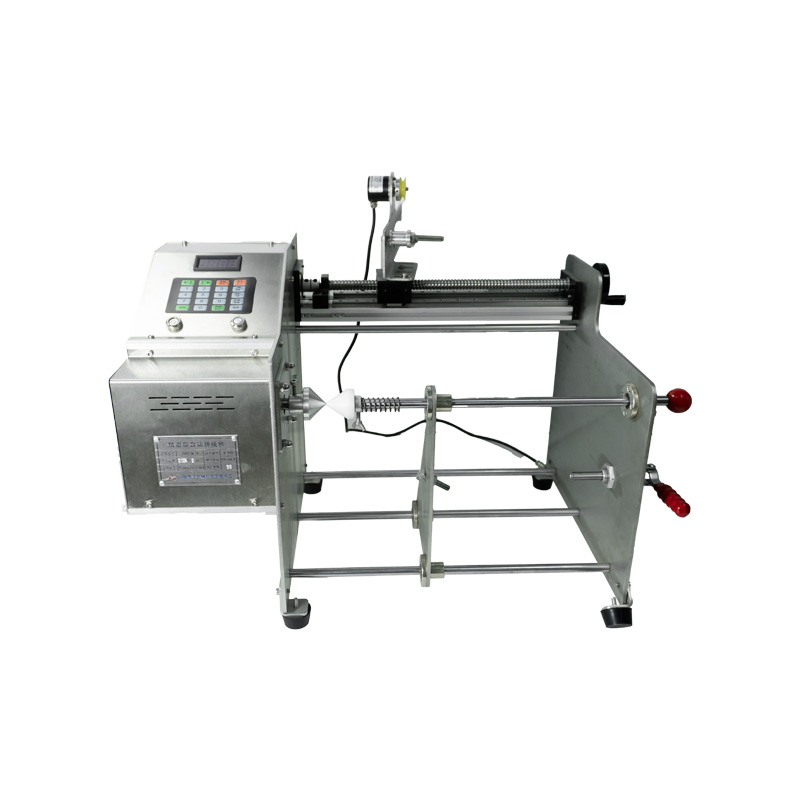
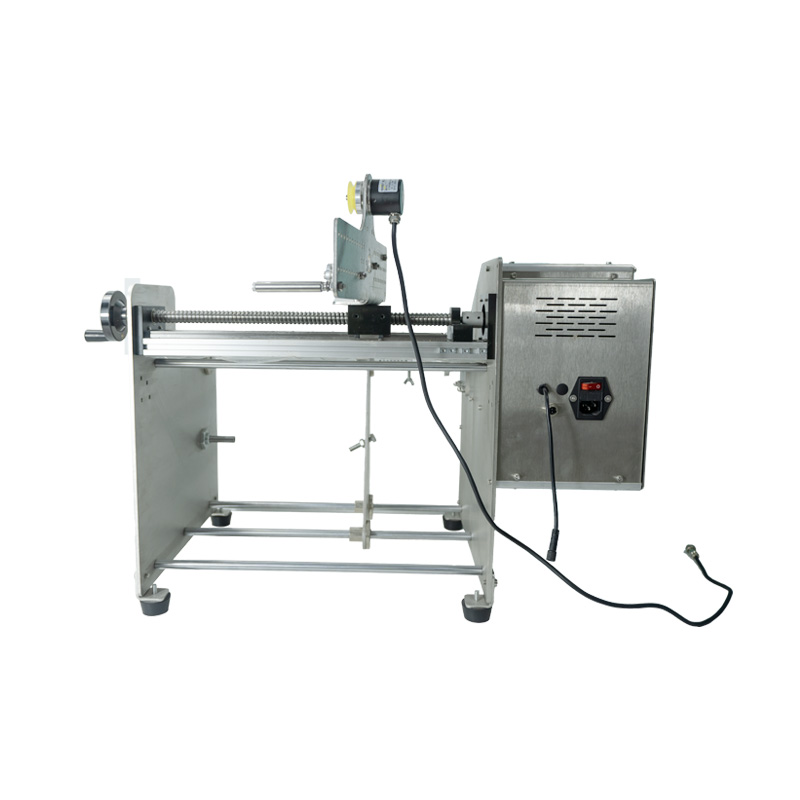
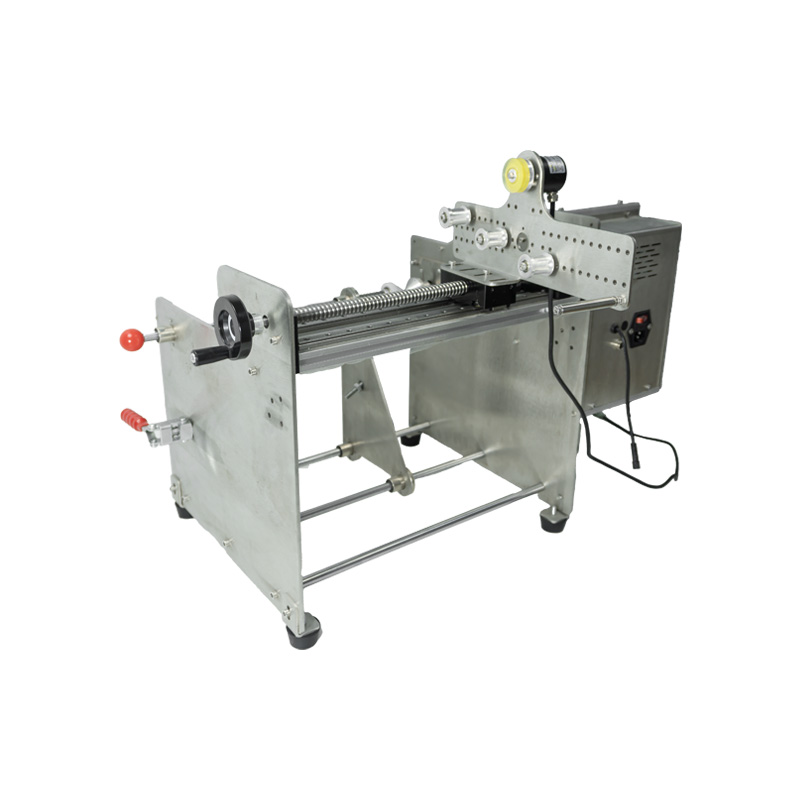
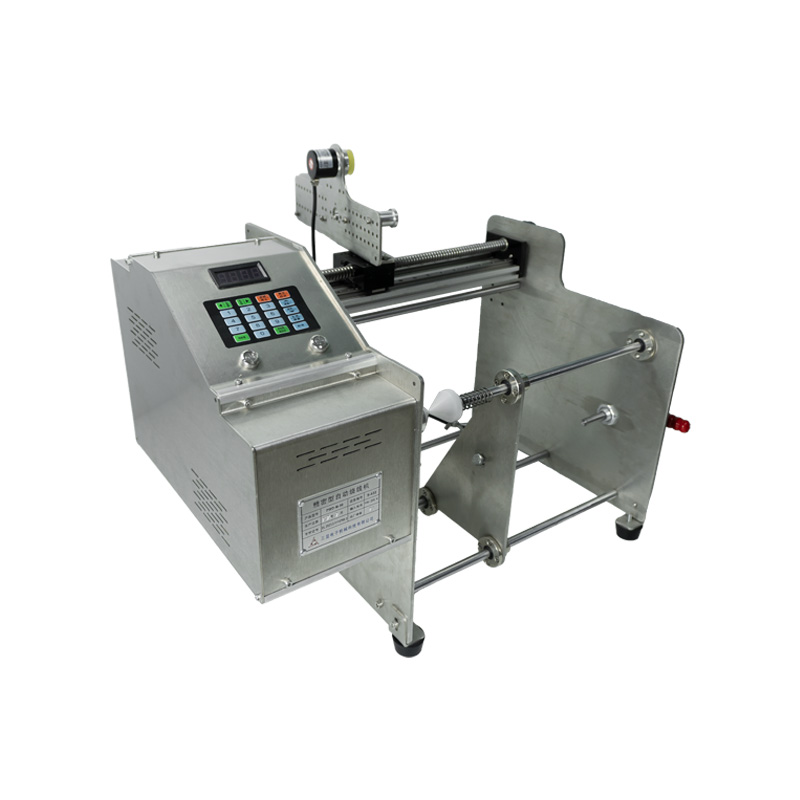
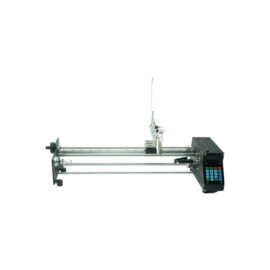
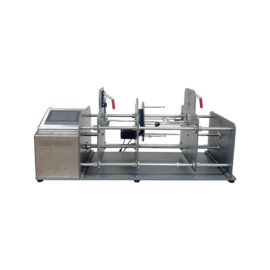
The automatic wire winding machine is built for heat-shrink wire, elastic flat wire, parallel wire and customized small-coil production. A touchscreen interface, programmable winding arrangement and adjustable tooling make this configuration suitable for buyers who need more than one approved wire format on the same production platform.
Automatic Wire Winding Machine Specifications
- Machine weight: 20 kg
- Machine dimensions: 930 × 380 × 360 mm
- Core component: motor
- Operator interface: touchscreen
- Winding method: automatic winding with documented parallel wire arrangement
- Tooling: customizable for the approved coil and wire diameter
The stated dimensions and weight apply to the documented configuration. Final tooling, controls and working range must be confirmed against the buyer’s approved sample or drawing.
Supported Wire and Coil Formats
The verified applications include heat-shrink wire, elastic flat wire, parallel wire and small coils. Because these materials behave differently during feeding and winding, the automatic wire winding machine should be configured around actual material width, thickness, stiffness and surface condition. A sample trial is recommended whenever the material is easily stretched, marked or deformed.
Custom sizing is available for different wire diameters and coil geometries. Customization does not mean that every material can be run without evaluation; BOYAN must confirm the fixture, winding path and finished-part tolerance before quotation.
Touchscreen Control and Protective Functions
The touchscreen provides a direct interface for the winding process. The documented configuration integrates parallel winding for controlled wire placement and uses an S-shaped acceleration profile to support smoother speed changes and metering consistency.
An emergency-stop response based on increased resistance is listed for wire protection. This function is an additional safeguard, not a substitute for guarding, correct tension, material-compatible tooling or operator supervision.
Information Needed for Machine Selection
Send BOYAN the material name, cross-section or diameter, supplied spool size, target coil inner and outer diameter, winding width, required length or turn count, acceptable tolerance, target output, power supply and a drawing or sample. These details allow us to determine whether the standard machine is suitable and what tooling or program changes are needed.
For repeat production, retain the approved program, fixture reference and finished sample. Buyers placing machinery in the European market can review the European Commission’s official machinery overview when defining their own conformity and workplace responsibilities.
Typical Project Fit
- Small heat-shrink wire coils with an approved winding form
- Elastic flat-wire products after stretch and surface tests
- Parallel wire winding where coil width and placement are defined
- Custom small coils produced from a supplied drawing or sample
Output rate, finished-coil tolerance and usable wire range are project-specific. BOYAN will state these values only after reviewing the complete application.
Material Behavior Review for Automatic Wire Winding
The automatic wire winding machine must be selected around the physical behavior of the material, not only its trade name. Heat-shrink wire, elastic flat wire and parallel wire can differ in flexibility, surface friction, cross-section stability and response to tension. A setup that produces a clean small coil with one material may require a different guide, fixture or program when the material changes.
For heat-shrink wire, identify the outer diameter, wall construction, surface condition and minimum acceptable bend condition. State whether the product will be heated after winding and whether the wound form must keep its dimensions before that downstream step. Send samples from normal production because a short, specially prepared sample may not represent the feeding behavior of a full supply package.
Elastic flat wire needs width and thickness data as well as information about stretch. Explain whether the flat face must remain aligned and whether twisting is unacceptable. The sample review should consider recovery after winding: measure the coil using an agreed method and timing so that both parties compare the same condition.
For parallel wire, state the number of strands or conductors, the required relationship between them and the finished winding width. Photos should show how the material is supplied and how the parallel elements must appear in an accepted coil. The documented parallel winding function provides a process basis, while the final guide path and fixture depend on the approved sample.
For customized small coils, provide the inner diameter, outer diameter, width, lead position, winding direction and any area that must remain free of wire. When the coil fits into another assembly, include the mating-part drawing. This helps BOYAN evaluate tooling access and removal of the finished coil from the fixture.
Define the Product Before Selecting the Machine
A reliable project begins with three controlled references: the incoming material specification, the finished-coil drawing and an accepted sample or acceptance standard. These references let the automatic wire winding machine be evaluated against measurable requirements instead of a general request for “small coils.”
The material specification should include the name, construction, diameter or width and thickness, coating, normal variation and supply format. Add the spool or reel dimensions and show the feeding orientation. If the material is sensitive to marks, crushing, twisting or excessive tension, state that limitation in the enquiry.
The finished-coil drawing should identify critical dimensions and tolerances. Mark the winding direction, start and finish positions, number of layers or arrangement, and any required lead length. If a dimension is only a reference, label it accordingly so the technical review can focus on the features that determine part acceptance.
Production requirements should describe the number of parts per shift, number of variants, changeover frequency and operator involvement. Do not assume a universal output from the website description. Actual cycle and output depend on material feeding, the winding pattern, loading and unloading, inspection and any additional operations.
If the project is not fully defined, separate confirmed facts from open questions. BOYAN can review an early application, but the quotation should identify which functions are standard, which are customized and which values remain subject to a material trial.
Touchscreen, Parallel Winding and Program Control
The touchscreen is the main operator interface for the documented configuration. It supports setting and controlling the winding process from one visual interface. The final screen functions and stored parameters must be confirmed for the ordered machine because customized programs are built around the agreed coil and material.
The documented parallel winding arrangement is relevant when the material must be placed in an organized relationship across the coil. Correct results also depend on the material entry path, guide geometry, fixture and approved parameter set. During a sample test, observe whether the material remains aligned and whether the finished coil keeps the required width and shape after removal.
An S-shaped acceleration profile is listed for smoother changes in speed and improved metering consistency. This does not create a universal accuracy or speed guarantee. The benefit should be evaluated with the real material, because flexible and elastic products respond differently to acceleration, resistance and handling.
The resistance-related emergency-stop response can stop the process when winding resistance increases. Treat any abnormal stop as information that must be investigated. Check the supply package, material path, guide, fixture and program instead of repeatedly restarting the automatic wire winding machine without identifying the cause.
Program access should be controlled in production. Give each approved coil a program reference and match it to a fixture and drawing revision. After a changeover, run and inspect a first-off sample before releasing the batch. This provides traceability when multiple small coils look similar but use different dimensions or materials.
Tooling, Guides and Changeover Planning
Custom tooling is used to connect the machine platform to the approved coil geometry. The tooling review may include the winding form, locating surfaces, material guides and the method used to remove the finished coil. The required design depends on the wire cross-section, target inner diameter, winding width and whether the material tends to spring back or hold its shape.
Send a drawing of any mating component that affects the coil. If the finished coil must be transferred to another fixture or assembled immediately, describe that step. The technical discussion can then consider how the wound part is removed and handled without changing the approved geometry.
For a family of products, create a part matrix. List each material, coil size, fixture, program and acceptance reference. Some products may share the same automatic wire winding machine while using different tooling; others may require a different wire path or level of automation. The matrix makes these distinctions visible before quotation.
During changeover, clear the previous material, inspect contact surfaces, install the identified fixture, select the controlled program and verify the new drawing. The first-off sample should be measured and visually checked. Record any approved adjustment instead of relying on operator memory.
Routine care must follow the documentation supplied with the final configuration. As general production discipline, keep guides and tooling clean, inspect them for wear and address abnormal resistance promptly. Do not modify electrical, control or safety functions without an approved technical review.
Plan a Representative Sample Trial
A material trial is valuable when stretch, surface marking, twist, spring-back or coil removal cannot be judged from a drawing. Agree on the trial objective before sending samples. The objective may be to confirm that a heat-shrink wire can be formed without unacceptable damage, that flat wire remains oriented or that parallel wire maintains the required arrangement.
Send enough normal production material for setup and repeated samples. Label each sample with its material specification and reference it to the correct drawing. If several material conditions exist, identify which one is used for the initial trial and which conditions define the required production range.
Define acceptance in measurable terms. Record critical inner and outer dimensions, winding width, lead position and any required visual standard. For elastic products, define when and how the coil is measured after removal. For surface-sensitive products, use close-up photographs of accepted and rejected conditions.
The trial record should identify the program, fixture, material batch and drawing revision. A short video can document the material path and operator steps, but it should support rather than replace dimensional or visual acceptance evidence. Any output measurement must state which loading, winding, unloading and inspection steps are included.
After approval, retain a reference sample at the buyer and, when agreed, at BOYAN. A shared reference helps resolve later questions about material variation or a new product version.
Send the Right Data in the Enquiry Email
Use a subject such as “Automatic Wire Winding Machine Enquiry – Material – Coil Size.” In the message, state your company, installation country, application and expected timing. Attach the material specification, supply-spool details, dimensioned coil drawing, photos and any available sample video.
Include the following data in one email:
- Material name, construction, diameter or cross-section and surface condition
- Width and thickness for flat material, or strand arrangement for parallel wire
- Supply spool or reel dimensions and material package weight if known
- Target inner diameter, outer diameter, winding width, length or turn count
- Winding direction, lead position, layer arrangement and cosmetic limits
- Required quantity per shift, number of variants and changeover frequency
- Installation voltage and frequency
- Drawing revision, sample availability and proposed acceptance criteria
Email the package to yangle990706@gmail.com. A complete enquiry lets BOYAN focus the reply on application fit, tooling, program requirements, sample testing and the final technical scope.
Review the Technical Quotation
The automatic wire winding machine quotation should identify the documented machine platform and the reviewed application. For this product, the reference information includes a 20 kg machine weight, dimensions of 930 × 380 × 360 mm, motor as the core component, touchscreen operation, parallel winding, S-shaped acceleration behavior and the resistance-triggered emergency-stop response.
Project-specific items should be listed separately. These may include the winding form, guides, fixtures, additional material handling and customized program functions. The quotation should reference the drawing or sample revision that defines the scope and should mark any result that still requires a trial.
Check the electrical configuration and installation requirements. Reserve space beyond the listed machine dimensions for the material supply, operator, access, guarding and any auxiliary equipment. The final handling and installation method must follow the packing and machine documentation delivered with the approved configuration.
If output is a purchase requirement, request a defined trial rather than relying on a general number. State the material, part, included operator steps, inspection method and sample quantity. The agreed result can then be connected to the actual automatic wire winding machine configuration.
Before shipment, agree on the evidence to review: sample measurements, photos, video or an inspection record as appropriate to the project. Commercial terms and the technical acceptance method should refer to the same approved scope.
Commissioning and Production Control
At commissioning, compare the delivered machine, tooling and program list with the approved specification. Verify touchscreen operation, the selected winding settings, fixture installation and emergency-stop function with authorized personnel. Run the approved material and inspect a first-off coil before routine production begins.
Create a controlled setup record for each part. Include the program reference, fixture, guide configuration, material specification, drawing revision and accepted sample. Store changes with an approval record so that a temporary adjustment does not silently become the new production standard.
Operators should investigate increased resistance, unstable feeding, material twist or visible damage. Pause production when the finished coil no longer matches acceptance criteria. The automatic stop response supports protection, but process control still depends on correct material, tooling, settings and operator actions.
For repeat orders, retain the setup and inspection records. If a new wire or coil is introduced, email BOYAN with the original machine reference and new application data. BOYAN can review whether existing tooling and program capacity are suitable or whether the automatic wire winding machine needs an approved change.
Application Fit and Clear Limits
This automatic wire winding machine is a strong candidate for approved heat-shrink wire, elastic flat wire, parallel wire and customized small-coil projects that benefit from touchscreen control and a tailored winding arrangement. It is not an automatic guarantee for every flexible material or coil size.
A different BOYAN winding platform may be more appropriate when the project needs a different metering method, supply arrangement, fixture scale, coil geometry or automation sequence. Compare machines using verified application data and sample results rather than product names alone.
BOYAN will separate documented standard features from project-specific functions in the final review. This keeps the website useful for discovery while the email enquiry and technical documents establish the configuration that can actually be quoted and accepted.
Frequently Asked Questions
Can this machine wind heat-shrink wire?
Yes. Heat-shrink wire is a documented application. Send the actual material dimensions and target coil so the tooling can be checked.
Does it support flat and parallel wire?
Yes. Elastic flat wire and parallel wire are included in the verified application range. Material trials may still be needed.
Can the coil size be customized?
Yes. The winding size can be customized for the approved geometry and wire diameter.
What does the resistance-based stop do?
It provides an emergency response when winding resistance rises. Proper setup and operator supervision remain necessary.
Where can I compare other configurations?
See BOYAN’s Winding Machines category and winding machine selection guide. A related option is the automatic dual motor winding machine.
Request a Technical Review
Email BOYAN at yangle990706@gmail.com with your wire specification, target coil drawing, sample photos and production requirement. We will review application fit, tooling, controls and the final commercial specification before quotation. You can also use the contact page.
Reviews
There are no reviews yet.