
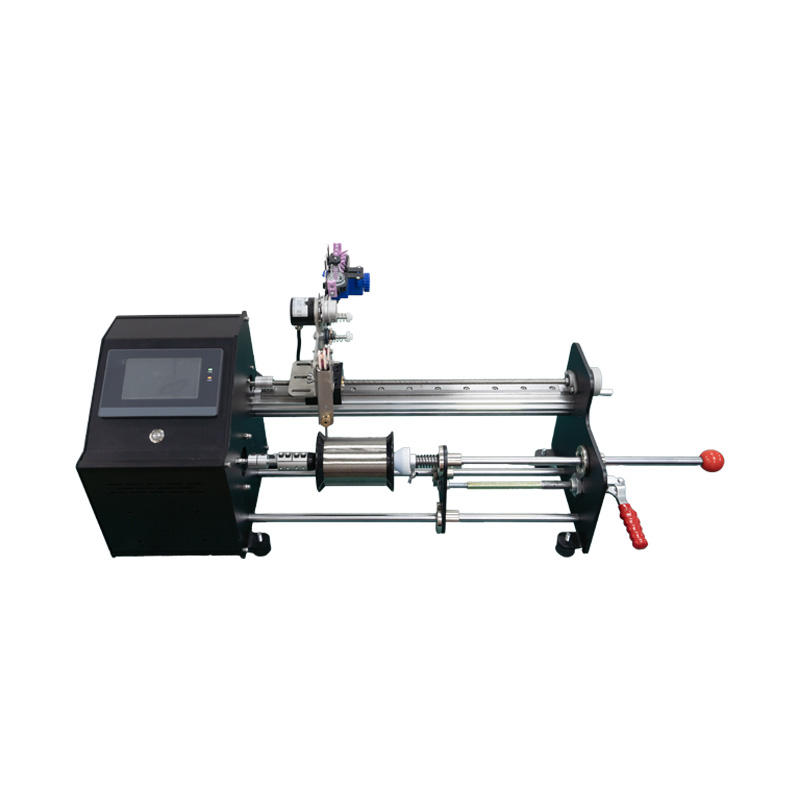
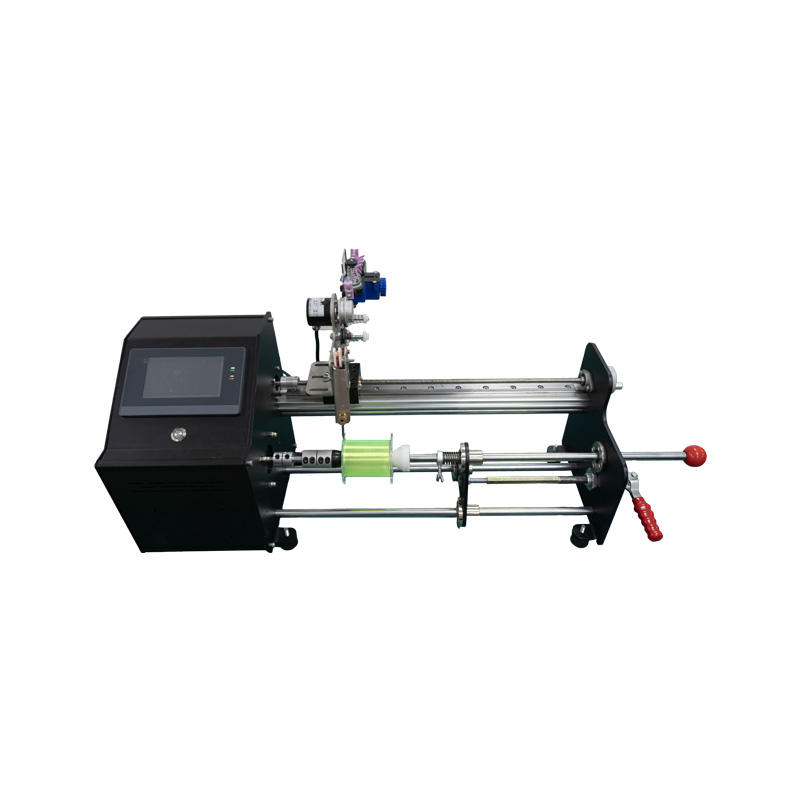
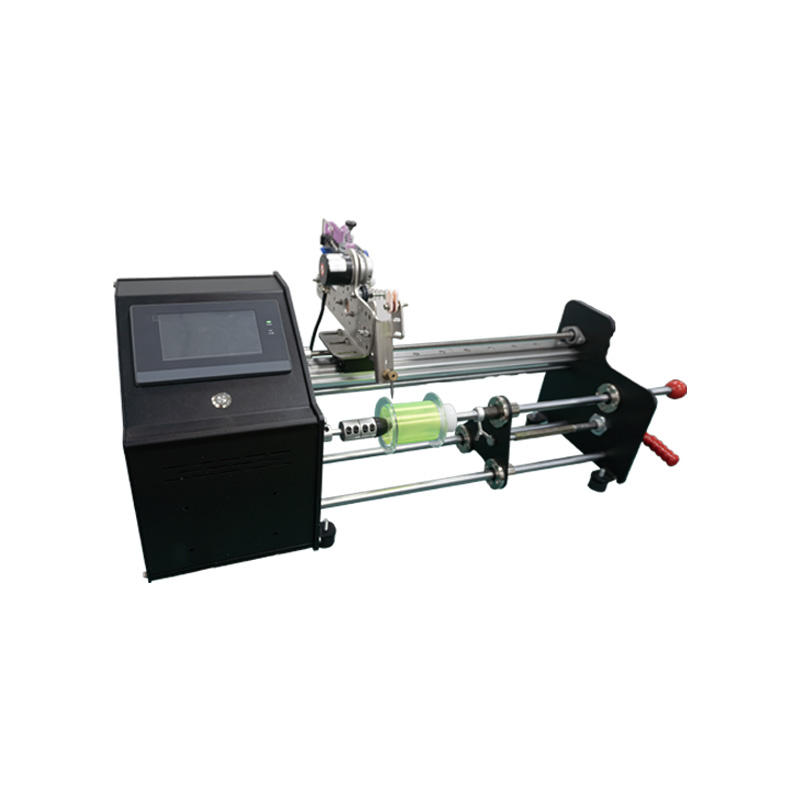
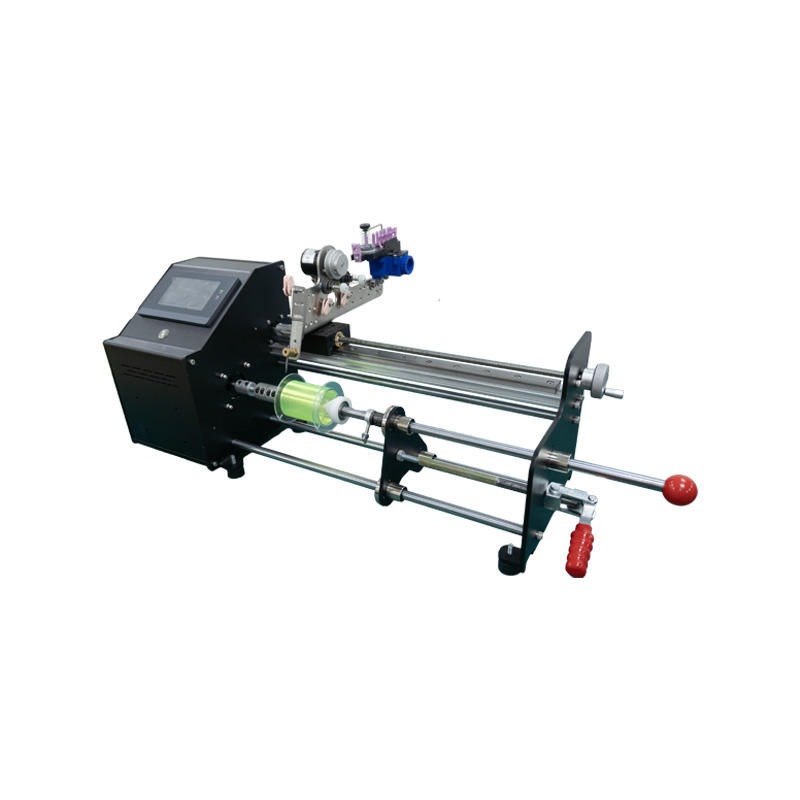
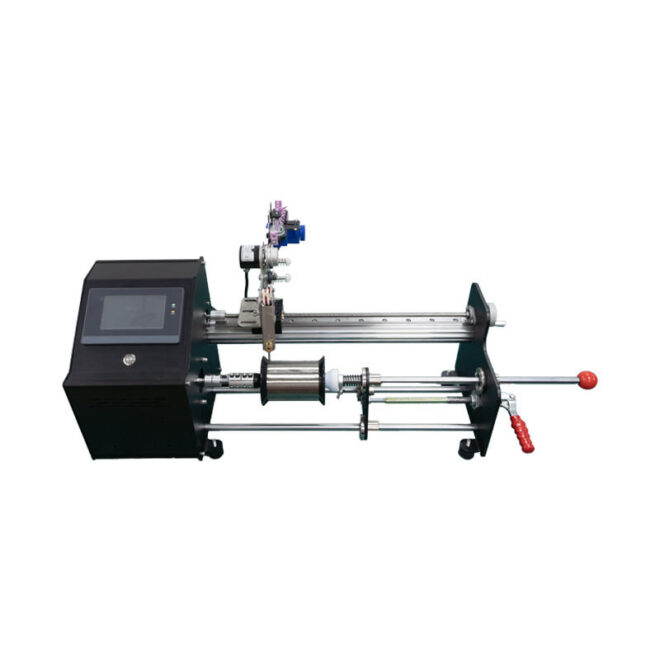
Intelligent Wire Winding Machine Overview
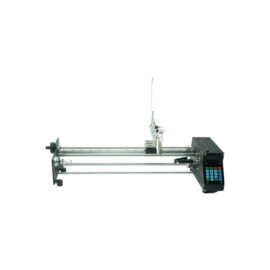
The intelligent wire winding machine is designed for controlled winding jobs that require repeatable settings, a clear operator interface and more than one winding pattern. Its verified configuration combines a PLC, a motor and an intelligent touchscreen in a compact platform. The controller can store process data, while the winding program can be tailored around an approved wire, spool or special-shaped workpiece. This makes the machine a practical candidate for buyers who want to move from manual setting to a documented, repeatable winding process.
This page separates verified machine facts from application recommendations. The reference configuration is model PWD-M-30, with a stated machine weight of 14 kg and dimensions of 700 × 220 × 250 mm. It supports automatic winding, S-shaped acceleration and deceleration, data storage, one-key start, and both honeycomb and parallel winding functions. Final tooling, winding length, spacing, speed limits and material compatibility must be confirmed against the buyer’s sample and drawing before quotation.
BOYAN supplies this equipment through a technical enquiry process. Email yangle990706@gmail.com with your wire data, target winding pattern and spool or workpiece drawing. We will review the application and identify the information still needed for a configuration proposal.
5 Best Features for Repeatable Winding
1. Intelligent Touchscreen Control
The touchscreen gives the operator one place to review and enter the approved process values. Instead of relying on handwritten settings, a production team can define a controlled setup for each accepted job. Screen layout, available fields and language requirements should be confirmed for the quoted configuration. The benefit is not simply a modern display; it is a clearer workflow for setting, checking and repeating a winding recipe.
2. PLC-Based Program Execution
A PLC is listed as a core component of the reference configuration. For an intelligent wire winding machine, the PLC coordinates the programmed sequence and helps make the operator’s approved settings repeatable. The actual control logic depends on the tooling, sensor arrangement and requested cycle. Buyers should provide the intended start condition, stop condition, fault response and any upstream or downstream interface before the control program is finalized.
3. Honeycomb and Parallel Winding Modes
The machine is described as supporting multi-function winding, including honeycomb and parallel patterns. Parallel winding generally places successive turns in an organized side-by-side arrangement. Honeycomb winding uses a crossing pattern that can help build a stable package for suitable materials and geometries. Neither mode should be selected by name alone. Wire stiffness, surface, diameter, payout behavior, package width and end-use handling all affect the correct pattern and parameter window.
4. S-Shaped Acceleration and Deceleration
The verified motion description includes S-shaped acceleration and deceleration. This means the programmed speed change is intended to be progressive rather than an abrupt step. For suitable materials, a smoother ramp can reduce unnecessary disturbance at starting and stopping. It does not remove the need for a controlled payout path, correct fixture geometry or a material trial. BOYAN will review the requested speed profile together with the winding length, package diameter and wire characteristics.
5. Data Storage and One-Key Start
Data storage allows approved settings to be retained for later use, while one-key start supports a straightforward production sequence after setup and safety checks. These functions can reduce repeated data entry and make changeover more organized. They do not automatically validate a process. Each stored recipe should have a clear name, revision, approved material, tooling reference and inspection rule so that operators know exactly when it may be used.
Verified Reference Specifications
| Item | Reference information | What to confirm for quotation |
|---|---|---|
| Model | PWD-M-30 | Requested configuration and tooling revision |
| Machine weight | 14 kg | Final packing and shipping weight |
| Machine dimensions | 700 × 220 × 250 mm | Installation clearance and unit orientation |
| Core components | PLC and motor | Electrical standard, voltage and control options |
| Interface | Intelligent touchscreen | Language, displayed parameters and user levels |
| Winding functions | Honeycomb and parallel winding | Pattern, pitch, package geometry and acceptance sample |
| Motion profile | S-shaped acceleration and deceleration | Approved speed and ramp for the actual material |
| Production controls | Data storage, custom programs and one-key start | Recipe fields, revision control and cycle sequence |
| Customization | Winding parameters, length and spacing can be reviewed | Drawing, sample and measurable acceptance criteria |
These values describe a reference intelligent wire winding machine; they are not a promise that every requested option is included. The final proposal should list the exact scope, tooling, electrical configuration, documentation and acceptance test.
How Honeycomb and Parallel Winding Differ
The pattern is one of the first technical choices in a winding project. A parallel package aims to place turns in a controlled adjacent arrangement. The traverse relationship, material width and target pitch need to match so the package develops as intended. If the material moves, stretches or changes diameter, the approved parameters may need adjustment.
A honeycomb package uses a deliberate crossing relationship. It may be considered when the product and handling method benefit from a crossed build. The correct crossing angle and spacing depend on the package geometry and material behavior. The machine’s support for a named mode should therefore be treated as a capability for engineering review, not as an automatic guarantee for every wire or fiber.
When requesting an intelligent wire winding machine, specify which pattern you currently use, how the finished package is unwound, and what defect you want to prevent. Photographs of acceptable and rejected packages are useful. If the pattern is new, send enough material for a trial rather than approving the machine from a generic description.
Materials and Applications to Review
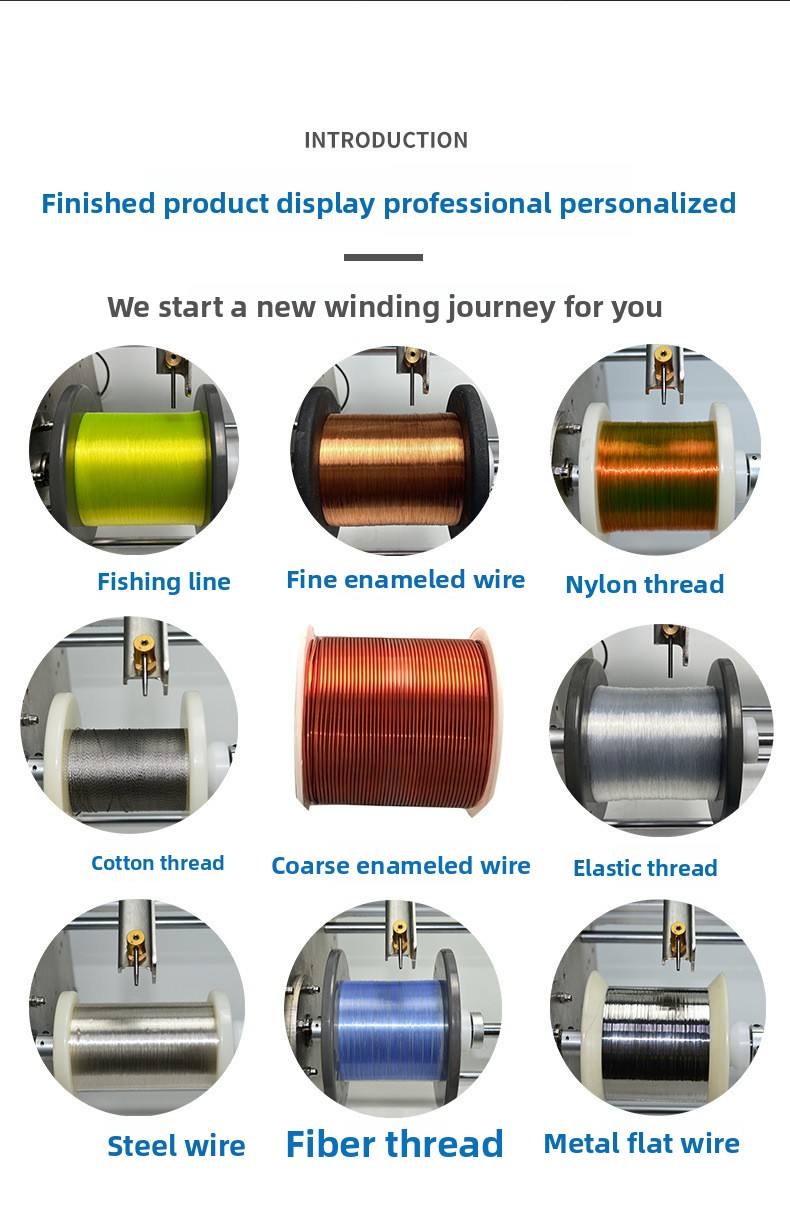
The source configuration indicates that special-shaped optical fiber applications can be reviewed. It also states that winding length and spacing can be customized. This establishes a useful engineering starting point, but it does not prove compatibility with every optical fiber, metal wire, cable or coated material. Each material should be evaluated using its actual construction and handling limits.
Useful application data includes material name, cross-section, nominal diameter or width, minimum bend requirement, surface sensitivity, allowable tension range, supply package, finished package, target length and expected production quantity. For a special-shaped material, include an enlarged cross-section drawing and identify the face that must remain oriented. If the material has a coating, state whether sliding contact is acceptable.
BOYAN can then judge whether the reference intelligent wire winding machine is a reasonable base or whether revised guiding, fixture, traverse or control work is required. We avoid claiming a fit before the material and geometry are reviewed.
Application Data Required for Selection
A useful enquiry should answer the following questions:
- What is the material, construction and cross-section?
- What are the nominal and maximum diameter or width tolerances?
- What supply spool or payout arrangement will feed the machine?
- What finished spool, bobbin, core or special-shaped workpiece is required?
- What winding length, spacing, pitch or crossing pattern is expected?
- What target speed and cycle time are required?
- How will the finished package be inspected and accepted?
- What voltage, frequency, plug, language and factory environment apply?
- Does the project require data storage, recipe control or external signals?
- What samples, drawings and trial material are available?
Email the answers and attachments to yangle990706@gmail.com. A complete data package lets BOYAN review the winding path and reduces the risk of quoting the wrong fixture or control scope.
Sample Trial and Process Confirmation
A sample trial should recreate the important parts of the intended process. The review begins with the incoming package and payout path, continues through every guide and contact point, and finishes at the receiving package. The team should record settings, material lot, tooling revision and observed results. If the material is sensitive, the trial should also check visible marks, bending, twisting and unwind behavior.
For the intelligent wire winding machine, useful acceptance outputs may include winding length, package width, pattern appearance, edge condition, start and stop behavior, repeatability across several cycles and successful reuse of a stored program. The exact criteria belong in the quotation or acceptance document. Phrases such as “high precision” are not adequate unless the measured variable, method and tolerance are stated.
If a trial reveals a problem, change one controlled factor at a time where practical. Record the old value, new value and result. This creates a process window instead of a single unexplained setting and gives operators a better basis for later production.
Program and Recipe Management
Data storage becomes valuable when stored recipes are governed. Assign each recipe a unique name connected to the product and tooling revision. Record the approved material, supply package, receiving package, winding mode, length, spacing, speed profile and inspection rule. Restrict changes to trained personnel and define who may release a revised recipe.
Before one-key start is used, the operator should confirm that the correct material, fixture and recipe are selected. A simple changeover checklist can prevent a valid program from being used with the wrong spool. Back up approved values according to the site’s maintenance policy and keep a controlled record outside the machine if the production system requires it.
This workflow helps an intelligent wire winding machine support repeat production without suggesting that stored data alone guarantees quality. Mechanical setup, material condition and inspection still matter.
Installation Planning
Use the reference dimensions only for early layout. Confirm the final drawing before preparing the bench, guard clearance or cable route. The buyer should check access for loading the supply package, removing the finished package, cleaning, routine inspection and maintenance. Keep the operator’s viewing and reach requirements in mind.
Electrical information should be agreed before manufacture or dispatch. Provide destination voltage, frequency, phase, plug or terminal preference and applicable factory requirements. If an external machine, alarm, counter or line controller must exchange signals with the winder, describe the exact input, output and sequence. Interface work that is not written into the quoted scope should not be assumed.
A site should perform its own safety and risk review for the complete installed process. Guards, emergency response, workholding and operating procedures depend on the final machine, material and workplace. Follow applicable local requirements and the approved operating documentation.
Commissioning and Operator Training
Commissioning should verify more than whether the motor runs. Confirm the correct touchscreen fields, direction of motion, start and stop sequence, program storage, recipe recall, winding pattern, ramp behavior and any agreed alarm or interlock. Run the approved material and retain an accepted package as a reference where practical.
Operator training should cover material loading, fixture inspection, recipe selection, parameter limits, one-key start, normal stopping, abnormal response, cleaning and escalation. Maintenance personnel need the final electrical and mechanical documentation supplied with the configuration. A signed checklist makes the handover clearer for both parties.
For an intelligent wire winding machine, training should also explain why the selected honeycomb or parallel mode is used and which parameters may not be changed without process approval.
Quality Control and Traceability
Define the inspection method before production begins. A visual check may identify crossed turns, uneven edges or surface damage, but some projects also need measured length, package width, pitch or downstream unwind performance. Record the sampling frequency and response when a result falls outside the agreed limit.
Traceability can be simple or detailed depending on the project. At minimum, connect the finished package to the material lot, machine recipe and operator or shift. For critical work, also record tooling revision, inspection results and any approved deviation. The machine’s data storage can support an organized process, but the total traceability system belongs to the factory workflow.
The ISO overview of quality management principles is a useful general reference for process control. Any certification or standard required for this project must be specified separately and verified for the exact quoted configuration.
Documentation and CE Configuration Review
CE-related documentation is listed for the source configuration. This does not mean every customized version automatically has the same document set or conformity status. Ask BOYAN to identify the declaration, manuals, labels and technical documents supplied with the exact quoted machine. Options, electrical changes and destination requirements may affect the final scope.
The commercial proposal should list the model, main components, tooling, touchscreen and PLC scope, electrical supply, software functions, spare parts, manuals, packing and acceptance test. If a certificate, test report or document format is essential, request a copy or document list before order confirmation.
Maintenance Planning
A preventive routine should focus on the final mechanical path and operating environment. Before production, inspect fixtures, guides, fasteners and cable condition. Keep contact surfaces clean using methods approved for the material. Look for wear that could alter alignment or mark the product. Do not defeat guards or bypass an abnormal stop condition.
When results drift, compare the current material, tooling and recipe with the approved reference before changing several settings. Check whether the supply package, environmental condition or material lot changed. Record maintenance and parameter changes so the team can trace their effect on the finished package.
Spare-part recommendations depend on the final build and operating schedule. Ask for a configuration-specific list rather than assuming that generic parts fit every intelligent wire winding machine.
Why Choose BOYAN for an Application Review
BOYAN’s role is to connect the verified machine platform to a clearly defined winding job. We review the buyer’s sample, drawing, pattern, data and acceptance criteria before presenting a configuration. Where a fact is not established, we mark it for confirmation instead of turning it into a marketing promise.
You can also compare other equipment in the Winding Machines category and review BOYAN’s automatic wire winding system for applications involving multiple spool types. The right choice depends on the actual material and process, not only the product name.
Use our winding machine selection guide to compare control, material, package, speed, tension and application data before requesting a configuration.
Quotation Workflow
- Send the application package: material data, photos, drawing, supply package, finished package and production goal.
- Confirm the process: honeycomb or parallel winding, length, spacing, ramp, storage and interface requirements.
- Review samples: provide trial material when geometry or surface behavior cannot be established from documents.
- Define acceptance: agree measurable criteria and the number of cycles or samples used for verification.
- Receive a scoped proposal: review the exact model, tooling, controls, electrical data, documentation and exclusions.
For a technical quotation, email yangle990706@gmail.com. Put “Intelligent Wire Winding Machine Enquiry” in the subject and attach the information above. BOYAN will use it to review whether PWD-M-30 is an appropriate base and what must be customized.
Frequently Asked Questions
What winding patterns are supported?
The verified reference supports honeycomb and parallel winding functions. The suitable mode and settings depend on material, package geometry and downstream use.
Can winding length and spacing be customized?
Yes, the source configuration states that winding parameters, length and spacing can be reviewed for customization. Send the drawing and acceptance values so the requested range can be confirmed.
Does the machine store programs?
Data storage and custom programs are listed features. The number of recipes, fields, permissions and backup method should be confirmed for the final configuration.
Can it wind special-shaped optical fiber?
Special-shaped optical fiber is identified as an application that can be adapted. Compatibility still requires cross-section data, bend limits, surface requirements, package geometry and preferably trial material.
Is one-key start available?
One-key start is a listed function. It is intended for use after correct setup, recipe selection and safety checks; it does not replace process approval.
Is this a servo-driven machine?
The verified core-component information lists a PLC and motor but does not establish a servo drive for this reference. BOYAN will state the actual motor and drive configuration in the quotation.
What does the reference machine weigh?
The stated machine weight is 14 kg. Confirm final packing dimensions and shipping weight after the configuration is fixed.
How do I request a quote?
Send material data, drawings, pattern, target output, electrical requirements and samples to the enquiry email on this page. BOYAN will review the application before defining the machine scope.
Request an Intelligent Wire Winding Machine Review
The best next step is a data-based application review. Share the material, current winding method, finished-package requirement and the issue you want the new process to solve. BOYAN will compare the request with the verified PWD-M-30 reference and identify tooling, program and trial requirements. This approach gives the buyer a clearer quotation and reduces the risk of selecting equipment from an unsupported assumption.
Reviews
There are no reviews yet.