

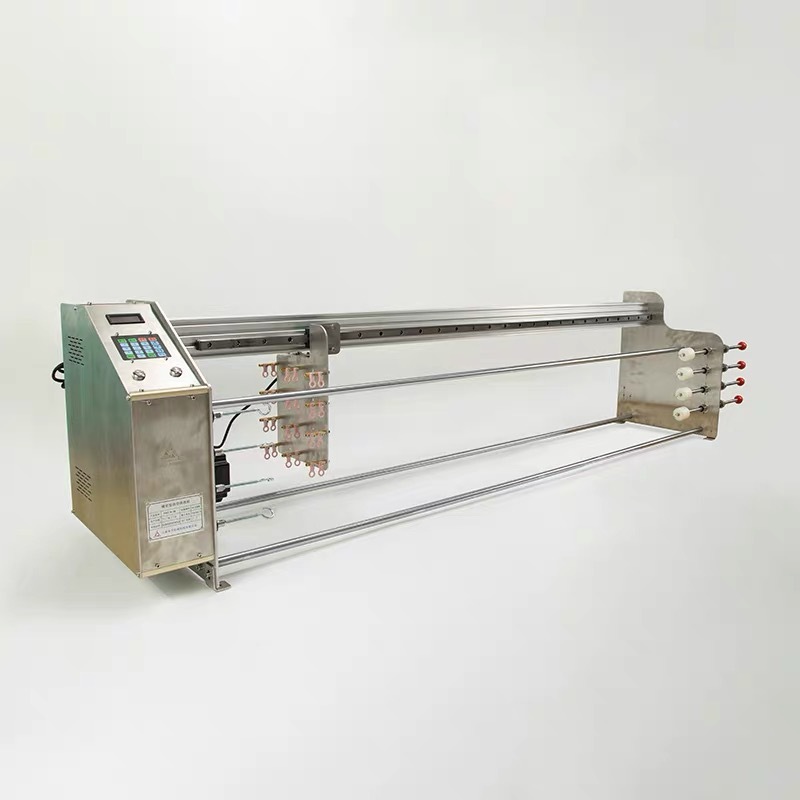

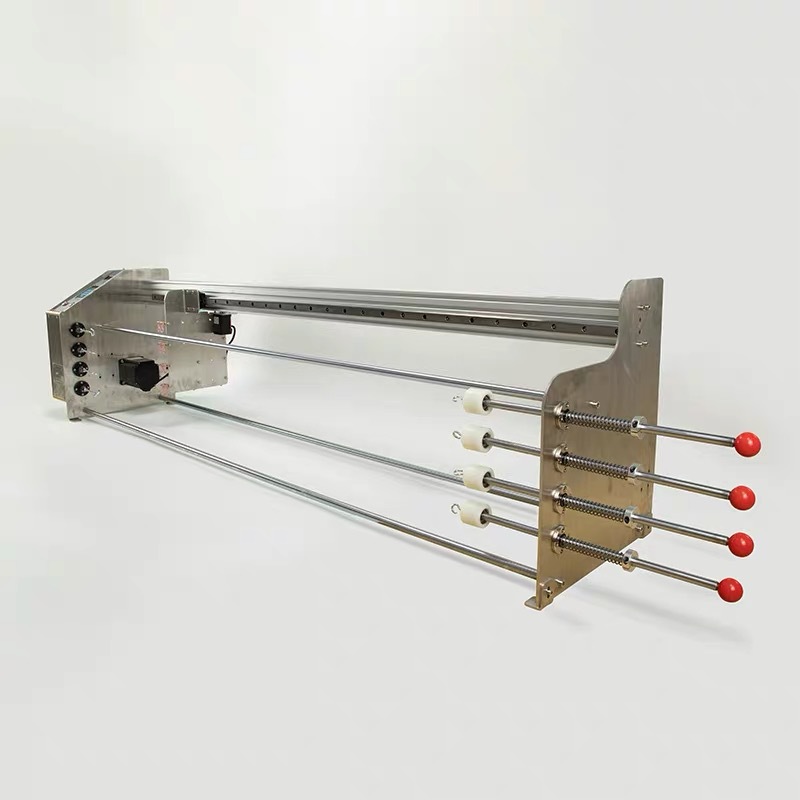
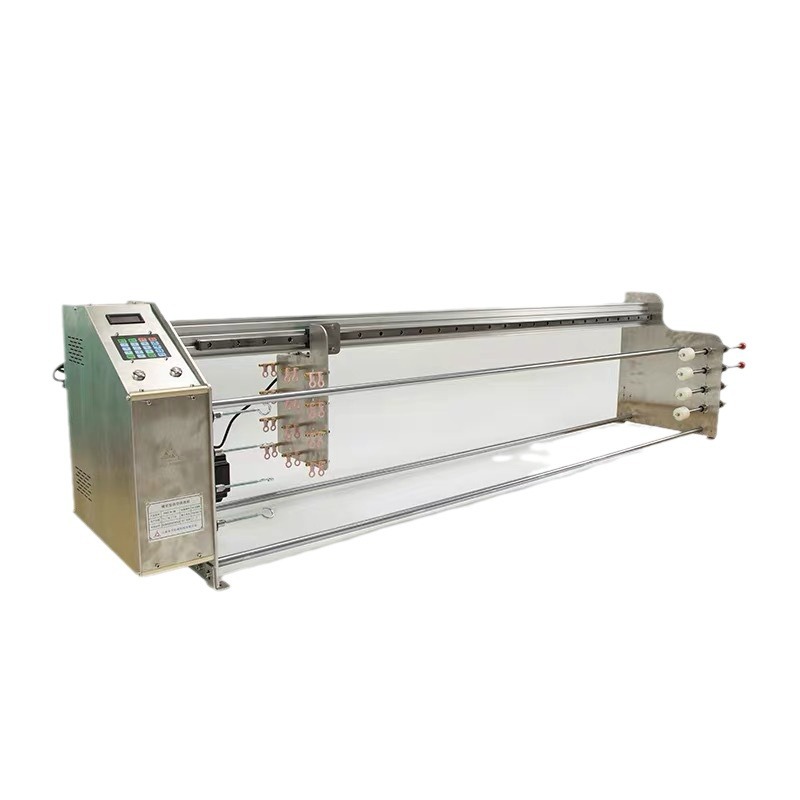

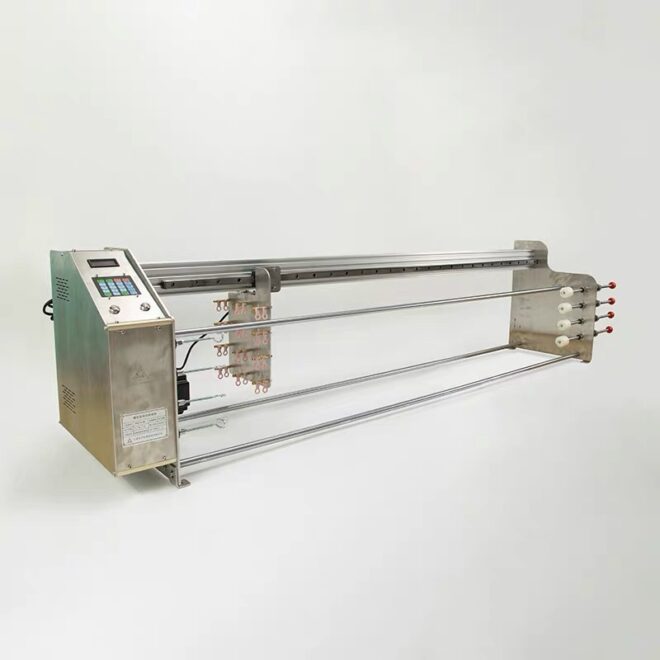
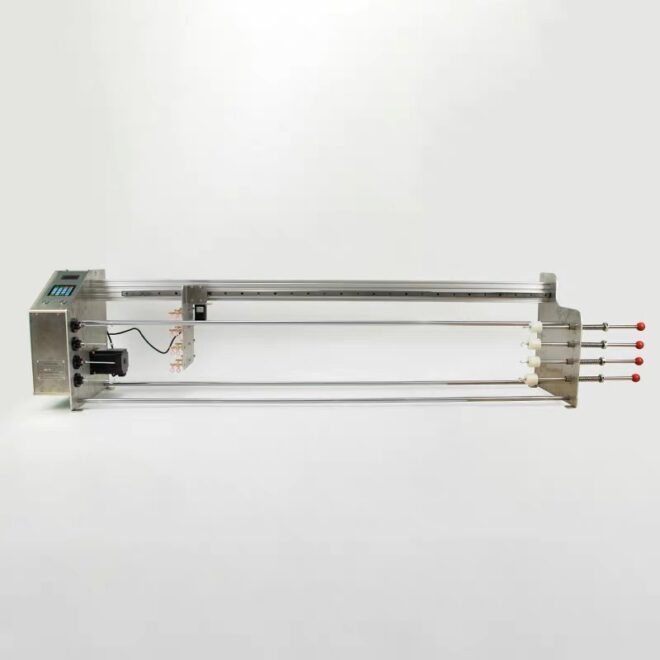
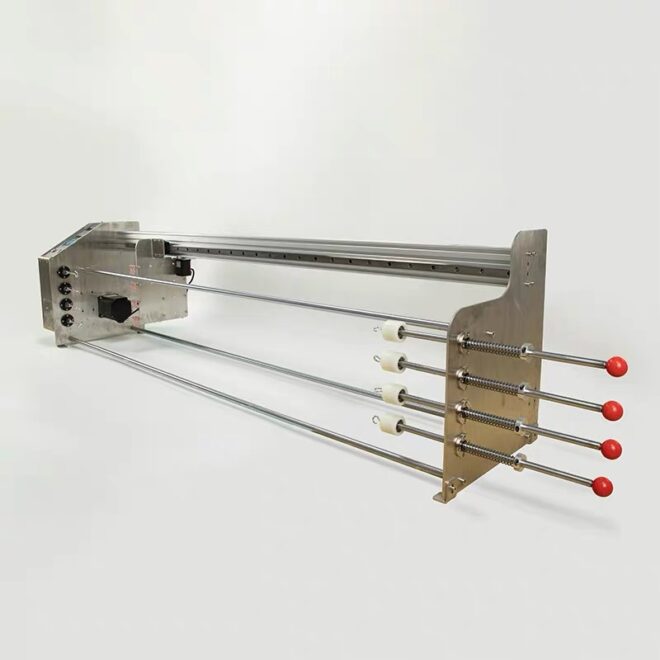
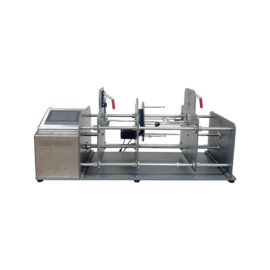
220V torsion bar winding machine is a BOYAN motor-driven platform described for automatic torsion-bar processing and parallel winding. The verified reference lists model PWD-M-30, a machine weight of 70 kg, motor or drive components and an overall dimension field of 2800 × 400 × 500. The unit for that field is not stated. The source title specifies 220V, but phase, frequency, power, plug and control voltage still require confirmation.
“Torsion bar” can describe different parts, including a rod that is twisted, a mandrel around which material is wound or a spring-like component. BOYAN will not assume an automotive suspension bar or a particular alloy. Send the workpiece drawing, material grade, winding pattern, torque or twist requirement and accepted sample to yangle990706@gmail.com for a technical review.
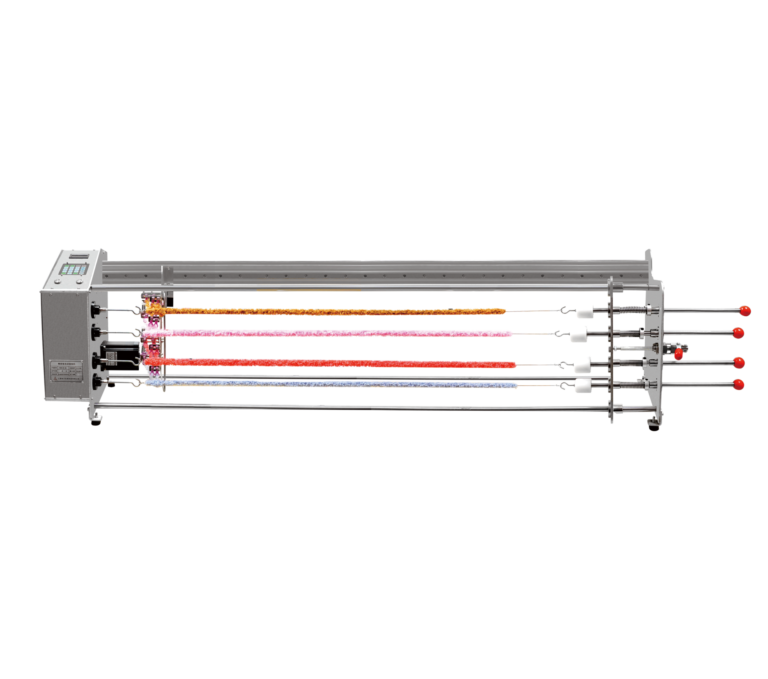
220V Torsion Bar Winding Machine: Quick Selection Guide
A 220V torsion bar winding machine may fit a job when the bar or mandrel geometry, material path, parallel-winding pattern and automatic cycle are clearly defined. The source confirms a 220V product title and a motor-driven configuration. It does not publish torque, speed, bar diameter, wire range, tension, pitch, output, PLC, servo or automatic feed details.
- Model: PWD-M-30.
- Machine weight: 70 kg.
- Dimension field: 2800 × 400 × 500, unit to be confirmed.
- Core-component field: engine/motor wording in the translated record.
- Source process: automatic 220V torsion-bar processing and parallel winding.
- Open limits: torque, speed, material, workpiece, tooling, tension and output.
The source page also displays an EU-standards label. That label is not a substitute for reviewing applicable documents and model coverage.
Verified Specification and Electrical Boundary
| Item | Available reference | BOYAN confirmation |
|---|---|---|
| Model | PWD-M-30 | Final model and nameplate |
| Machine weight | 70 kg | Net weight of supplied build |
| Dimension field | 2800 × 400 × 500; unit not stated | Units and approved layout drawing |
| Core components | Engine/motor in translated field | Actual motor, drive and control components |
| Supply label | 220V in source title | Phase, frequency, power and connection |
| Process | Torsion-bar processing and parallel winding | Workpiece, material path, pitch and cycle |
| Package size | 300 × 50 × 60 cm | Final export packing drawing |
| Package gross weight | 100 kg | Final shipping weight |
| EU label | “EU standards compliant” displayed | Documents, model scope and destination rules |
| Performance | Not published | Speed, torque, tension, accuracy and output |
The 2800 length field and 300 cm package length are broadly consistent if the machine dimension is in millimetres, but the unit is not explicitly stated. BOYAN will confirm rather than convert it silently. Freight planning should use the final packing drawing and gross weight.
Define the Torsion-Bar Product
Provide a dimensioned drawing of the bar, mandrel or finished winding. State length, diameter, material, hardness, straightness, end features and how the part is supported. If wire or cord is wound around the bar, provide its grade, diameter, supply package and required pitch.
If the bar itself is twisted, state twist angle, direction, torque, active length, end clamping and springback. If the bar is only a mandrel for parallel winding, state whether it remains in the product or is removed. These are different mechanical processes and may require different machines.
The source title alone does not prove automotive torsion-bar production. A 220V torsion bar winding machine should be selected from the actual part and test, not from a broad industry label.
Material and Wire Requirements
No verified list of metal wire, alloy wire or torsion-bar grades is published. The old page made those broad claims without diameter, hardness or torque data. BOYAN requires material grade, heat treatment, tensile properties, springback, minimum bend radius and surface limits.
For winding material, provide nominal and maximum diameter, coating, stiffness, allowable tension and supply format. A hard spring wire behaves differently from soft conductor, resistance wire or textile cord. Compatibility must be demonstrated by sample.
- Bar or mandrel material, length, diameter and hardness.
- Winding material grade, diameter and mechanical properties.
- Minimum bend radius and allowable surface damage.
- Supply reel dimensions, full mass and braking method.
- Finished pitch, layers, direction and end position.
- Accepted sample or drawing with critical dimensions.
Parallel Winding Requirements
Parallel winding requires coordinated rotation and lateral placement. Define pitch, winding width, number of turns, layers, start and end positions and allowable crossover or gaps. The source title supports a parallel-winding application but does not identify a traverse mechanism or control architecture.
The 220V torsion bar winding machine proposal should state whether the product rotates, the guide traverses or both. It should also define how ends are anchored, cut and secured. Servo positioning and automatic feeding are not assumed because the source does not publish them.
Quality criteria may include pitch variation, bar straightness, wire damage, end position, coil diameter and springback. An approved sample provides a useful visual standard in addition to measurements.
Torque, Speed and Support Engineering
A long 2800-dimension machine may support an extended workpiece, but maximum bar length and diameter are not published. Long bars can whip, sag or vibrate. Supports, tailstock, bearings and guards must be designed for the actual part and speed.
The old page claimed a high-torque servo system, but no motor rating, torque or drive is documented. BOYAN will calculate or test the required torque from material, diameter, winding tension, acceleration and fixture friction. Numerical speed is also an open field.
Begin trials at low speed and observe alignment, support load, vibration and product retention. Increase only while the finished part and safety criteria remain acceptable.
Five Processes to Evaluate
1. Parallel Wire Winding on a Bar
The source title directly supports parallel winding. Provide bar and wire drawings, pitch, width, layers and end treatment.
2. Torsion-Rod Processing
A 220V torsion bar winding machine can be evaluated when twist angle, torque, active length and springback are specified. The exact mechanism requires confirmation.
3. Long Mandrel Coil Winding
If the bar is a removable mandrel, state release method, finished coil support and dimensional tolerance. Mandrel extraction can be a separate process.
4. Resistance or Heating Wire Winding
Such material may be evaluated when alloy, diameter, resistance, pitch, insulation and surface limits are supplied. Electrical performance requires its own test.
5. Custom Linear Components
Other long, parallel-wound products can be reviewed from drawings and samples. Automotive, structural or safety-critical use is not assumed without standards and validation.
220V Does Not Complete the Electrical Specification
The source title says 220V, but 220V can be single-phase or part of another supply system. Frequency, installed power, protective devices, plug or terminal connection, control voltage and earthing must be confirmed. The buyer should provide destination country and plant standard.
Motor and control selection may change with torque and automation. If PLC, touchscreen, recipes, fault history, remote support or line integration are required, list them separately. The verified record does not confirm them.
The final 220V torsion bar winding machine documents should include nameplate, electrical diagram, connection requirements and protective-device information.
Automation Boundary
“Full automatic” appears in the source title, but no step-by-step cycle is published. Identify who loads the bar, threads wire, clamps ends, starts, cuts, secures and unloads. State whether supports move or adjust automatically and how finished parts leave the machine.
If automatic feeding, cutting, welding, tying or discharge is required, define each function. Sensors should cover missing workpiece, wire break, jam, overtravel and incomplete cycle as appropriate. None should be assumed as standard without a proposal.
Production rate should include loading, unloading and changeover. Record accepted parts, rejects, faults and operator work during trials.
EU Label and Documentation Review
The source page displays an EU-compliance label. Before relying on it, request the applicable declaration, certificate or test report, verify the model and review configuration limitations. Destination requirements and modifications may change the applicable scope.
BOYAN will identify available documents for the ordered 220V torsion bar winding machine. A marketplace label is not presented here as independent evidence.
Safety and Risk Assessment
Long rotating bars, shafts, wire and fixtures create entanglement, impact, whip and pinch hazards. Stored torsional energy can release suddenly. Suitable full-length guarding, emergency stops, supports, safe setup, isolation and training are required.
The risk assessment should cover loading, clamping, threading, winding, support adjustment, jam clearing, cutting, unloading and maintenance. General principles are available in the OSHA machine-guarding guidance; local requirements govern the final system.
Never stand in the plane of a rotating unsupported bar or hold wire near a moving guide. Stop, isolate and release stored energy before intervention.
Recommended Sample Trial
- Approve the drawing: identify bar, wire, pitch, layers and ends.
- Verify materials: record grades, diameters, heat treatment and samples.
- Install tooling: check clamps, supports, guide, alignment and guard clearance.
- Define acceptance: agree twist, pitch, straightness, surface and output.
- Run slowly: observe sag, vibration, feed, alignment and springback.
- Increase gradually: establish a stable rate and torque condition.
- Finish the ends: demonstrate the agreed cut or securing process.
- Measure: inspect critical dimensions and any mechanical or electrical test.
- Repeat: run multiple cycles and a normal product change.
Factory Acceptance Checklist
- PWD-M-30 model, 70 kg weight and outline field are verified.
- 220V phase, frequency, power and connection are documented.
- Motor, drive, controls, clamps, supports and guide match the scope.
- Manual and automatic cycle steps are demonstrated.
- Guards, emergency stops and restart behavior are tested.
- The buyer’s bar and winding material complete repeated cycles.
- Pitch, twist, straightness, surface and end criteria pass.
- Cycle time, operator work, faults and rejects are recorded.
- Changeover and normal fault recovery are demonstrated.
- Manuals, drawings, parts, documents and open actions are listed.
- 300 × 50 × 60 cm / 100 kg packing data are verified.
Information Needed for a Proposal
- Bar, mandrel or finished product drawing.
- Bar and winding-material grades, sizes and samples.
- Twist angle, torque, pitch, width, layers and ends.
- Minimum and maximum workpiece sizes and masses.
- Required automatic and manual cycle steps.
- Target output, shifts, batch size and changeovers.
- Dimensional, surface, mechanical and electrical criteria.
- 220V phase, frequency, destination and plant standard.
- Guarding, controls, integration, documents and commissioning needs.
- Delivery address and schedule.
Email these items to yangle990706@gmail.com. BOYAN will confirm the process, power, tooling and acceptance method.
Compare Related BOYAN Machines
For bracelet cord, metal wire or heating wire up to the published 5 mm reference, review the automatic bracelet winding machine. For enamel or steel wire on a smaller parallel-winding platform, review the CNC parallel winding machine.
Browse the BOYAN winding machines category for related equipment.
Use our winding machine selection guide to compare control, material, package, speed, tension and application data before requesting a configuration.
Frequently Asked Questions
Is the machine definitely single-phase 220V?
The source title says 220V but does not state phase, frequency or power. BOYAN will confirm the complete electrical specification.
What torsion-bar sizes are supported?
No length or diameter range is published. The 2800 × 400 × 500 field is a machine dimension field, not a workpiece range.
What materials can it process?
No verified material list is published. Provide bar and winding-material grades, dimensions and samples.
Does it include PLC and high-torque servo control?
The verified field identifies motor or drive components only. PLC and servo are not confirmed and must appear in the proposal if required.
Does it automatically feed and cut wire?
No feeding or cutting mechanism is documented. Define these as separate functions if essential.
Is it suitable for automotive torsion bars?
Automotive use is not assumed. It requires part drawings, material, torque, standards and validation.
Is EU documentation available?
The source displays an EU label. Applicable documents and model coverage must be reviewed for the final configuration.
Request a Torsion-Bar Review
Send the workpiece and winding drawings, material grades, twist or pitch, tooling, power, output and acceptance criteria. BOYAN will determine whether PWD-M-30 is a suitable platform and define the test.
Contact yangle990706@gmail.com for a 220V torsion bar winding machine proposal based on verified inputs.

Reviews
There are no reviews yet.