

Intelligent Fiber Optic Winding Machine Overview
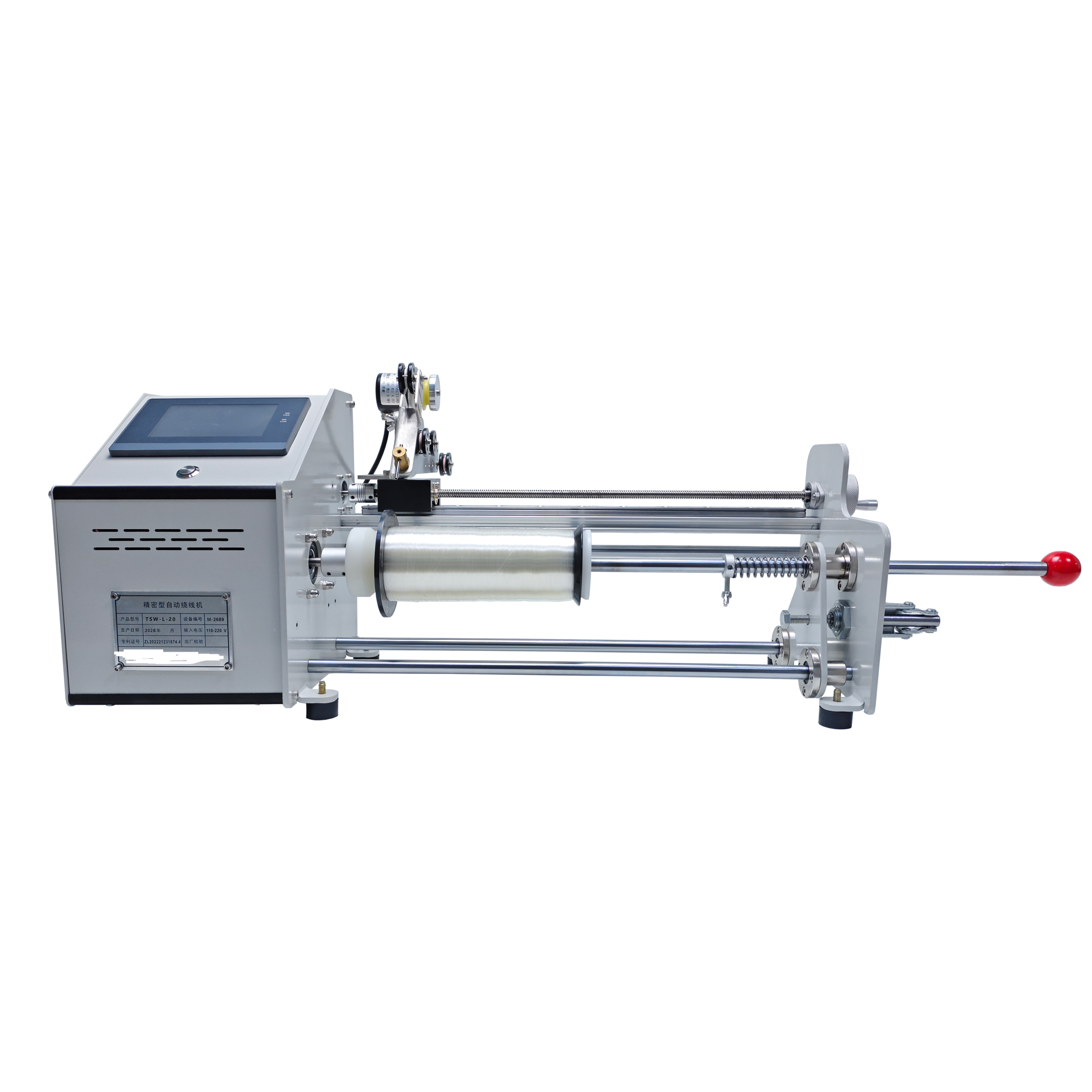
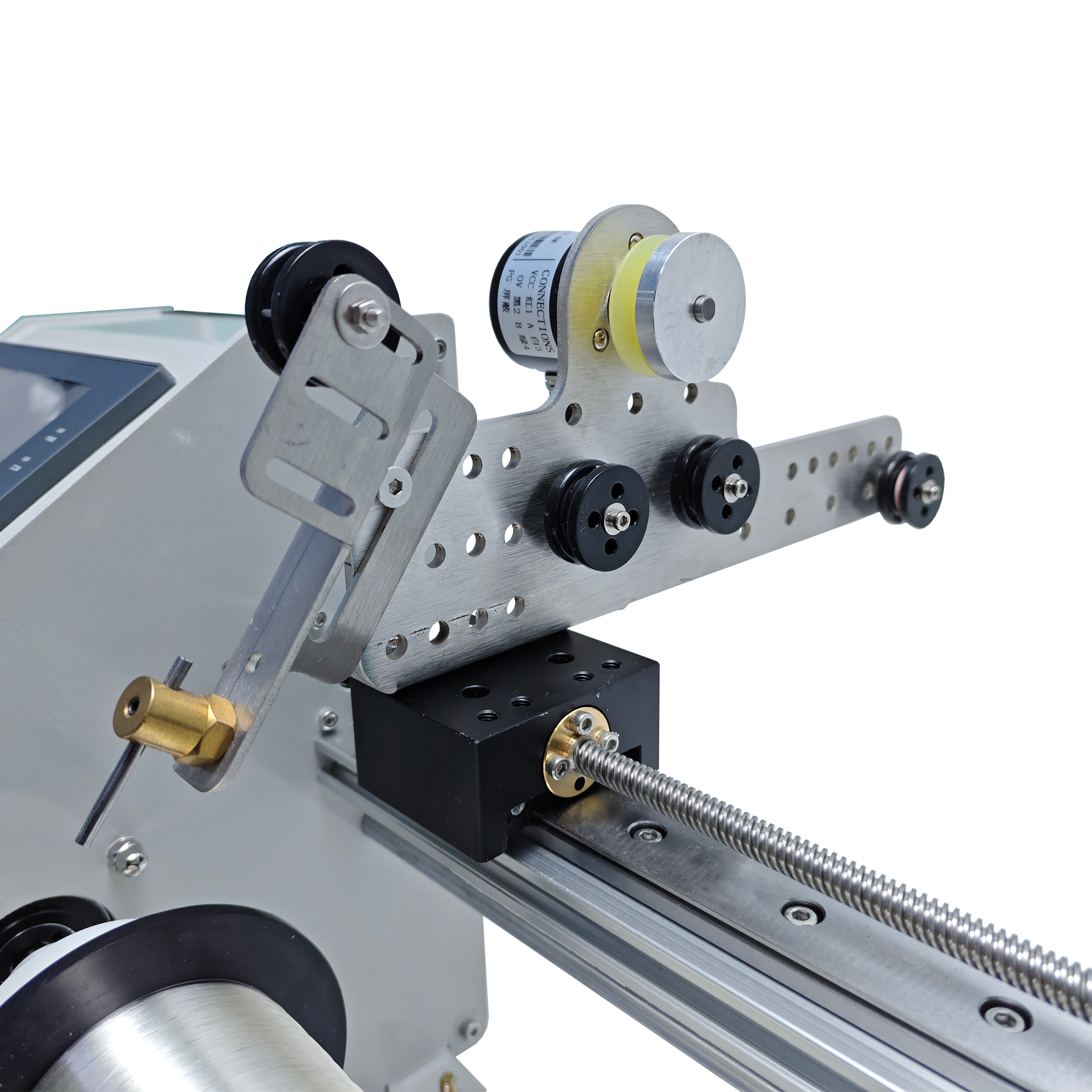
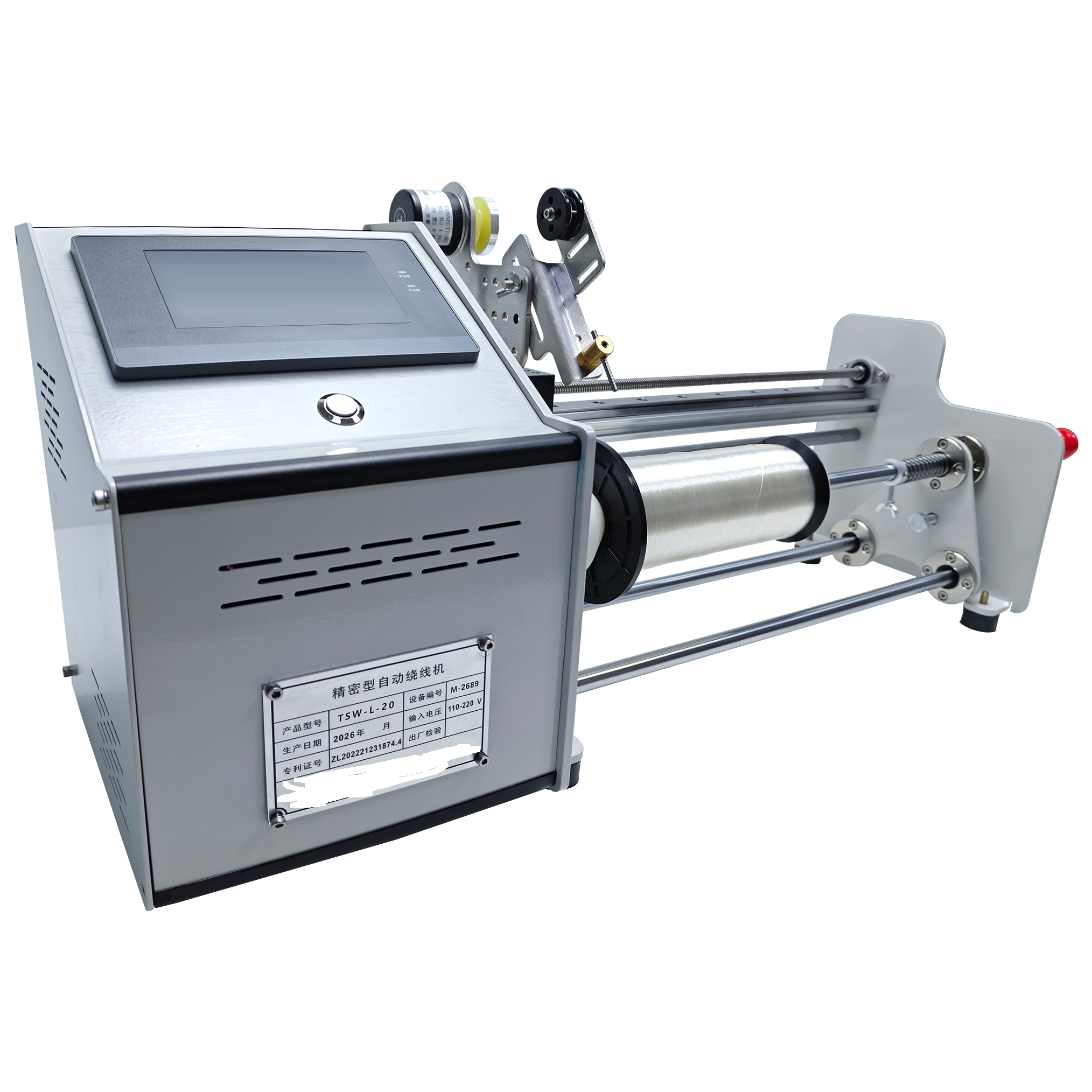
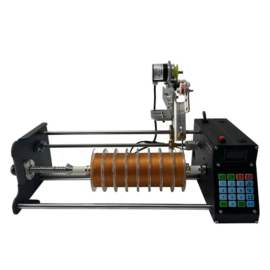
The intelligent fiber optic winding machine is a compact programmable platform for reviewing UAV fiber package winding and special-shaped optical fiber applications. The verified reference is model TSW-L-20, with a listed machine weight of 13.5 kg and dimensions of 700 × 220 × 250 mm. Its core components are identified as a PLC and motor.
The source configuration includes an intelligent touchscreen, multifunction winding methods, an automatic emergency-stop function for line protection, and customization of winding parameters, length and spacing. These features provide a basis for engineering review, but they do not prove compatibility with every fiber construction, coating, package or UAV system. Final selection requires fiber data, a spool or workpiece drawing and measurable acceptance criteria.
Email yangle990706@gmail.com with the fiber cross-section, coating, bend requirement, supply package, finished package and required winding length. BOYAN will review whether TSW-L-20 is a suitable base and what tooling or program work is needed.
5 Best Benefits for UAV Fiber Package Development
1. Compact Reference Platform
At 13.5 kg with a 700 × 220 × 250 mm reference outline, the machine can be considered for a compact winding workstation. These values describe the source configuration only. The final drawing should confirm fixture envelope, operator access, fiber loading space and any accessories before the installation layout is approved.
2. Visual Touchscreen Operation
The intelligent touchscreen gives the operator a visual interface for the approved winding process. The exact fields, units, language and user permissions should be specified in the quotation. A clear screen can make recipe selection easier, but it cannot determine the safe fiber path or parameter window without an approved trial.
3. PLC Program Control
A PLC and motor are listed as core components. For an intelligent fiber optic winding machine, the PLC coordinates the configured sequence and the permitted winding values. External counters, alarms, sensors or line signals are not automatically included; any required interface must be described before the program scope is fixed.
4. Custom Length and Spacing
The source states that winding parameters can be customized around required length and spacing. This is useful for fiber packages whose geometry cannot be represented by a generic program. The buyer should provide the required values, tolerances and measurement method so BOYAN can determine whether the requested range is supported.
5. Automatic Emergency Stop for Line Protection
An automatic emergency-stop function is listed as a line-protection feature intended to prevent damage during winding. The mapped source does not define the detection method, threshold or stopping distance. The final configuration and acceptance test should identify how the function is triggered and what result is expected with the approved fiber.
Verified Reference Specifications
| Item | Reference information | Quotation confirmation |
|---|---|---|
| Model | TSW-L-20 | Final tooling and program revision |
| Machine weight | 13.5 kg | Installed configuration |
| Machine dimensions | 700 × 220 × 250 mm | Final outline and working clearance |
| Core components | PLC and motor | Electrical supply and drive configuration |
| Interface | Intelligent touchscreen | Fields, units, language and access levels |
| Winding scope | Multifunction winding methods | Actual pattern and parameter window |
| Custom values | Winding length and spacing may be adapted | Requested range, tolerance and measurement |
| Fiber protection | Automatic emergency stop listed | Trigger logic and tested response |
| Application basis | UAV fiber and special-shaped fiber review | Cross-section, coating, bend rule and package |
| Documentation | CE indicated for the source configuration | Exact documents for the quoted machine |
The source packing-size field is internally inconsistent and is not used as a public shipping specification. Final packing dimensions and gross weight should be taken from the approved packing list after tooling and accessories are fixed.
What Special-Shaped Optical Fiber Requires
A special-shaped fiber cannot be evaluated from nominal diameter alone. Provide an enlarged cross-section drawing with major and minor dimensions, orientation requirements and tolerance. Identify the optical, structural or coating surface that must not be contacted. State whether twisting about the fiber axis is limited.
The guide path and receiving fixture should support the required orientation without creating sharp local contact. If the cross-section changes along the length, document the transition. The intelligent fiber optic winding machine program can then be reviewed around actual geometry instead of assuming a circular fiber.
Send a representative sample long enough to test loading, steady winding, stopping and downstream unwinding. If the application requires a minimum bend radius, provide the value and the method used to verify compliance.
Fiber Construction and Coating Data
Describe whether the material is bare fiber, buffered fiber, coated fiber, fiber within a tube or another assembly. Provide the nominal outside dimension, coating or jacket material and surface-contact limits. Note whether the fiber is sensitive to abrasion, compression, moisture, contamination or static handling.
The source does not establish a universal tension range or closed-loop tension-control system. If tension is a critical quality variable, provide the required range, permissible variation and measurement method. BOYAN can then review whether an additional control or sensing option is required.
No claim about optical transmission, communications output or operating range should be inferred from the winding machine alone. Those outcomes depend on the fiber, components, system design and validation performed by the buyer.
UAV Fiber Package Definition
The source describes the machine as designed for UAV fiber manufacturing. To convert that application label into an engineering requirement, the buyer should define the finished package. Provide core or spool dimensions, usable width, starting diameter, maximum outside diameter, attachment method and any removal step.
Explain how the fiber will leave the package during downstream use. The required unwind direction, orientation, speed and path can affect the winding pattern and package acceptance. A visually neat package is not enough if it does not unwind as intended.
The intelligent fiber optic winding machine quotation should therefore connect the finished package drawing, winding length, spacing and downstream test. UAV system suitability remains the buyer’s system-level responsibility.
Project Boundary for UAV Fiber Packages
The intelligent fiber optic winding machine is production equipment for forming an approved fiber package; it is not a complete UAV communications system. BOYAN reviews winding geometry, material handling, program values and protective response. The buyer remains responsible for optical design, connectors, airborne integration, system safety, regulatory compliance and end-use validation.
Separating these responsibilities improves the quotation. It prevents package-production evidence from being presented as proof of end-use performance. If the winding process must support a downstream optical or mechanical test, describe the test interface and pass criteria so it can be included in the acceptance plan without expanding the machine claim beyond verified scope.
Application Data Checklist
- Fiber or cable construction and product specification
- Cross-section drawing and dimensional tolerance
- Coating, buffer or tube material
- Minimum bend requirement and allowable contact
- Twist or orientation restriction
- Supply spool drawing, mass and payout direction
- Finished spool, core or workpiece drawing
- Required winding length, spacing and package limits
- Target cycle time and permitted operating range
- Inspection and downstream unwind acceptance method
- Voltage, frequency, language and factory environment
- Available trial fiber and sample quantity
Email the completed checklist to yangle990706@gmail.com. Clear application data lets BOYAN review the guide path, fixture and program without turning an unverified assumption into a public claim.
Supply Spool and Payout Review
The incoming package affects the entire winding process. Provide its flange diameter, barrel diameter, width, loaded mass, payout direction and current brake or drive method. Identify any splice, connector or irregular section that must pass through the line.
A supply spool that releases unevenly can disturb a delicate fiber before it reaches the receiving fixture. The engineering review should consider alignment, overrun, snag points and allowed contact. Any required payout stand or signal coordination belongs in the written scope.
Guide Path and Contact Management
Map every intended guide and contact point. For a coated or special-shaped fiber, state which surfaces may touch the guide and which must remain free. Review guide material, finish, radius and alignment using the actual sample.
The guide path should be easy to inspect and clean. Contamination or a damaged surface can create a local defect that is not visible in the program. The intelligent fiber optic winding machine should be accepted as a combined mechanical and control process, not as software alone.
Winding Length and Spacing
The source specifically supports review of custom winding length and spacing. Define the nominal values, tolerance and how they are measured. If spacing changes across the package, provide the required rule or drawing rather than a single average number.
Length measurement may depend on the final configuration. Do not assume a particular encoder, wheel or accuracy unless it is listed in the quotation. The acceptance test should state the measured variable, instrument and number of trial cycles.
Multifunction Winding Methods
The source uses the term “multifunction winding methods” but does not enumerate the modes on this mapped page. BOYAN will not publish a specific pattern list without confirmation. The buyer should send a photograph or drawing of the desired package and explain the downstream reason for the pattern.
If several packages are required, document each one separately. A recipe should identify the product, fixture and approved values. Switching modes without matching the physical tooling can create an unacceptable fiber path.
Sample Trial Plan
- Record the fiber specification, sample lot and handling restrictions.
- Inspect the supply package and prepare the intended payout path.
- Install the proposed guides and receiving fixture.
- Load the fiber without exceeding the stated bend or contact limits.
- Select the trial program and verify winding direction.
- Run start, steady winding and stop at a controlled setting.
- Inspect surface, orientation, package geometry and fiber routing.
- Measure the agreed length and spacing variables.
- Perform a downstream unwind check when required.
- Record settings and release a recipe only after acceptance.
The trial should include enough material and cycles to assess repeatability. When a defect appears, document it before changing several variables. The approved sample and program then become evidence for the factory acceptance test.
Emergency-Stop Function Verification
The listed automatic emergency-stop function requires an explicit test plan. Identify the condition that should cause a stop, the expected response and the method used to determine whether the fiber remains acceptable. Stopping distance and material condition can change with speed, package inertia and fixture.
An emergency or protective stop does not replace correct routing, guarding or operating procedure. The final installation needs its own risk assessment and restart rules. Do not bypass the stop logic to maintain production.
Factory Acceptance Test
The factory acceptance test for an intelligent fiber optic winding machine should use the agreed fiber and package where practical. Confirm touchscreen fields, program selection, start and stop sequence, custom length and spacing, winding pattern and protective-stop response.
Use measurable acceptance criteria rather than generic “high precision” language. State the allowed package dimensions, length or spacing deviation, surface condition, orientation and downstream unwind result. Define the sample quantity and test instruments in advance.
Document the released program, fixture revision and accepted package. Any later change to fiber, coating or spool geometry should trigger a controlled review.
Installation Planning
Use the 700 × 220 × 250 mm reference dimensions for preliminary layout only. The final drawing should confirm mounting, operator access, working clearance, material loading and any accessory envelope. Verify the final weight after tooling is included.
Provide destination voltage, frequency, phase and connection preference. If a payout device, counter, alarm or external controller must exchange signals with the machine, define the inputs, outputs and safe response before quotation.
Commissioning and Training
Commissioning should confirm the model, PLC, motor, touchscreen, fixture, guide path, program values and sample result. Test normal start, normal stop and the agreed protective-stop condition. Verify that the released recipe can be recalled without unintended changes.
Operator training should cover fiber handling, loading, recipe selection, permitted value changes, abnormal response, cleaning and escalation. Maintenance staff need the final mechanical and electrical documentation and should record adjustments that may affect the fiber path.
Quality Control and Traceability
Connect each finished package to the fiber lot, fixture and program revision when traceability is required. Define the inspection frequency and response to surface marks, incorrect orientation, uneven package build or failed unwind.
For repeat orders, verify that fiber construction, coating, supply spool and finished package match the released setup. The ISO overview of quality management principles provides general context for controlled processes and evidence-based improvement.
Documentation and CE Review
CE is identified for the source configuration, but customization can change electrical, mechanical and document scope. Ask BOYAN to list the declaration, manuals, labels, drawings and reports supplied with the exact quoted machine. Do not rely on a generic certificate statement.
The quotation should identify model, PLC, motor, touchscreen, tooling, programs, interfaces, electrical supply, packing and acceptance test. Raise any destination-specific or customer-specific document requirement before order confirmation.
Maintenance Planning
Each intelligent fiber optic winding machine maintenance record should identify the fiber-contact path, fixture revision and program in use. Inspect guide surfaces, fixtures, fasteners and cables before production. Clean using a method compatible with the fiber coating. Look for grooves, contamination or alignment changes that could create a local defect.
If package quality changes, compare the current fiber lot, supply spool, fixture and program with the approved reference. Record maintenance and parameter changes. Request a configuration-specific spare-parts list after the final build is fixed.
Compare BOYAN Fiber Winding Equipment
Browse the Winding Machines category for the complete range. If the project requires a much heavier integrated rewinding and unwinding system, compare the heavy-duty optical fiber rewinding machine. This page instead targets the compact TSW-L-20 reference for UAV fiber package and special-shaped fiber review.
Use our winding machine selection guide to compare control, material, package, speed, tension and application data before requesting a configuration.
Quotation Workflow
- Send fiber data: construction, cross-section, coating, bend and orientation requirements.
- Define the packages: supply spool, payout path, receiving core and downstream unwind.
- Set winding values: length, spacing, pattern and measurable tolerances.
- Plan the trial: provide representative fiber and acceptance criteria.
- Approve the scope: review tooling, program, controls, documents, packing and exclusions.
Email yangle990706@gmail.com with “Intelligent Fiber Optic Winding Machine Enquiry” in the subject. BOYAN will review the application and prepare a scoped technical quotation.
Frequently Asked Questions
What is the reference model?
The verified model is TSW-L-20, with a listed weight of 13.5 kg and dimensions of 700 × 220 × 250 mm.
Is it intended for UAV fiber?
The source describes it as designed for UAV fiber manufacturing. Final suitability depends on the fiber, package and downstream validation supplied by the buyer.
Can it handle special-shaped fiber?
The source states that custom parameters, winding length and spacing can be adapted for special-shaped fiber. A cross-section drawing, orientation rule and sample are required for review.
Does it control fiber tension?
The mapped source does not establish a closed-loop tension-control system. Provide the required tension range and measurement method if this function is necessary.
Which winding methods are included?
The source says multifunction winding methods but does not enumerate them on the mapped page. BOYAN will confirm the actual modes for the quoted configuration.
How does the protective stop work?
An automatic emergency-stop feature is listed for line protection. Trigger logic and tested response must be defined for the final machine.
Does the machine guarantee UAV communication performance?
No. The winding machine can be reviewed for package production; optical and communications performance requires separate system-level design and validation.
How do I request a quotation?
Send fiber data, drawings, spool information, winding length, spacing, acceptance method and sample availability to the enquiry email on this page.
Request an Intelligent Fiber Optic Winding Machine Review
The intelligent fiber optic winding machine should be selected from the real fiber, guide path, package and downstream unwind requirement. BOYAN uses the verified TSW-L-20 reference to review tooling, programs and protective functions without claiming unsupported servo, tension or communications performance. Send the complete application file for a technical email quotation.


Reviews
There are no reviews yet.